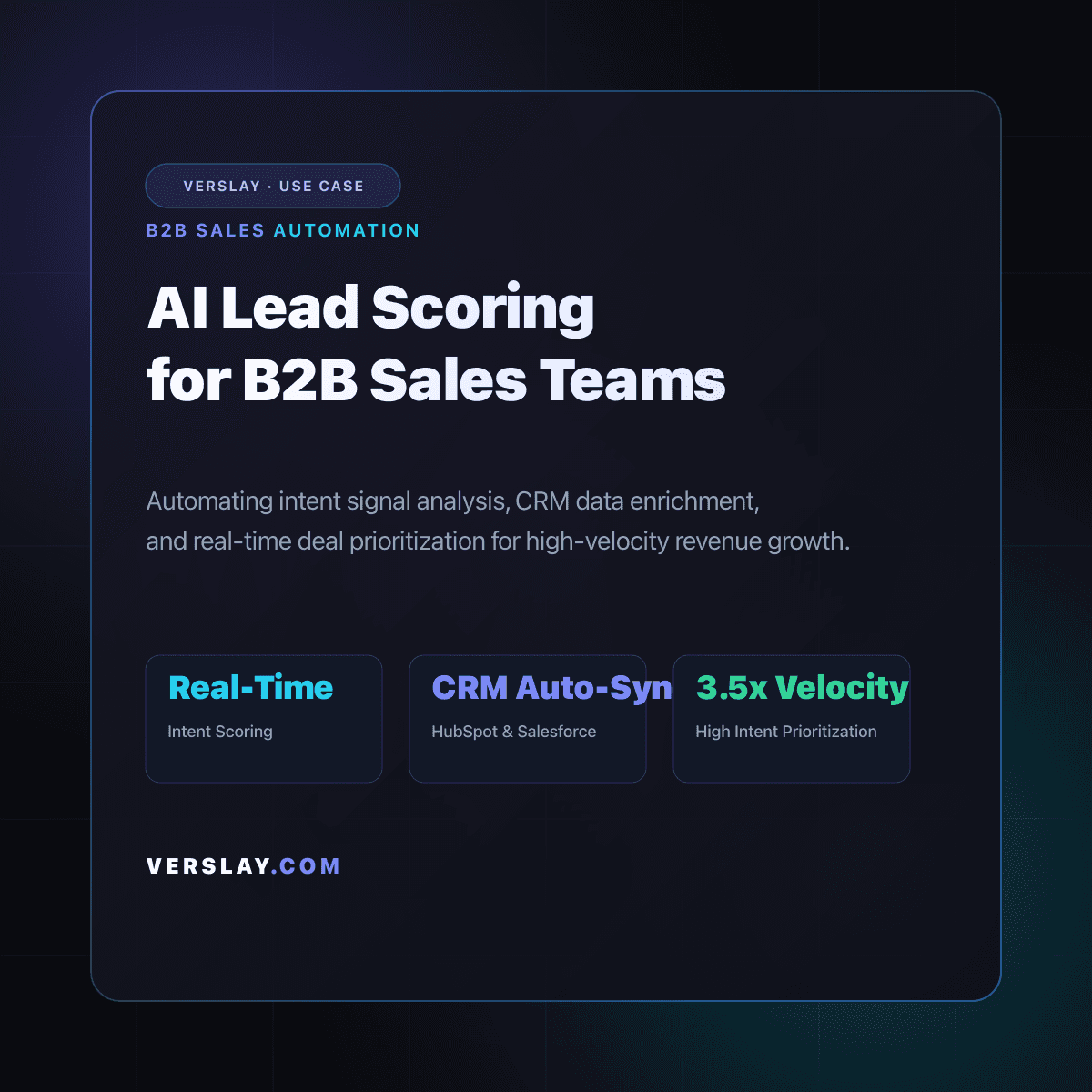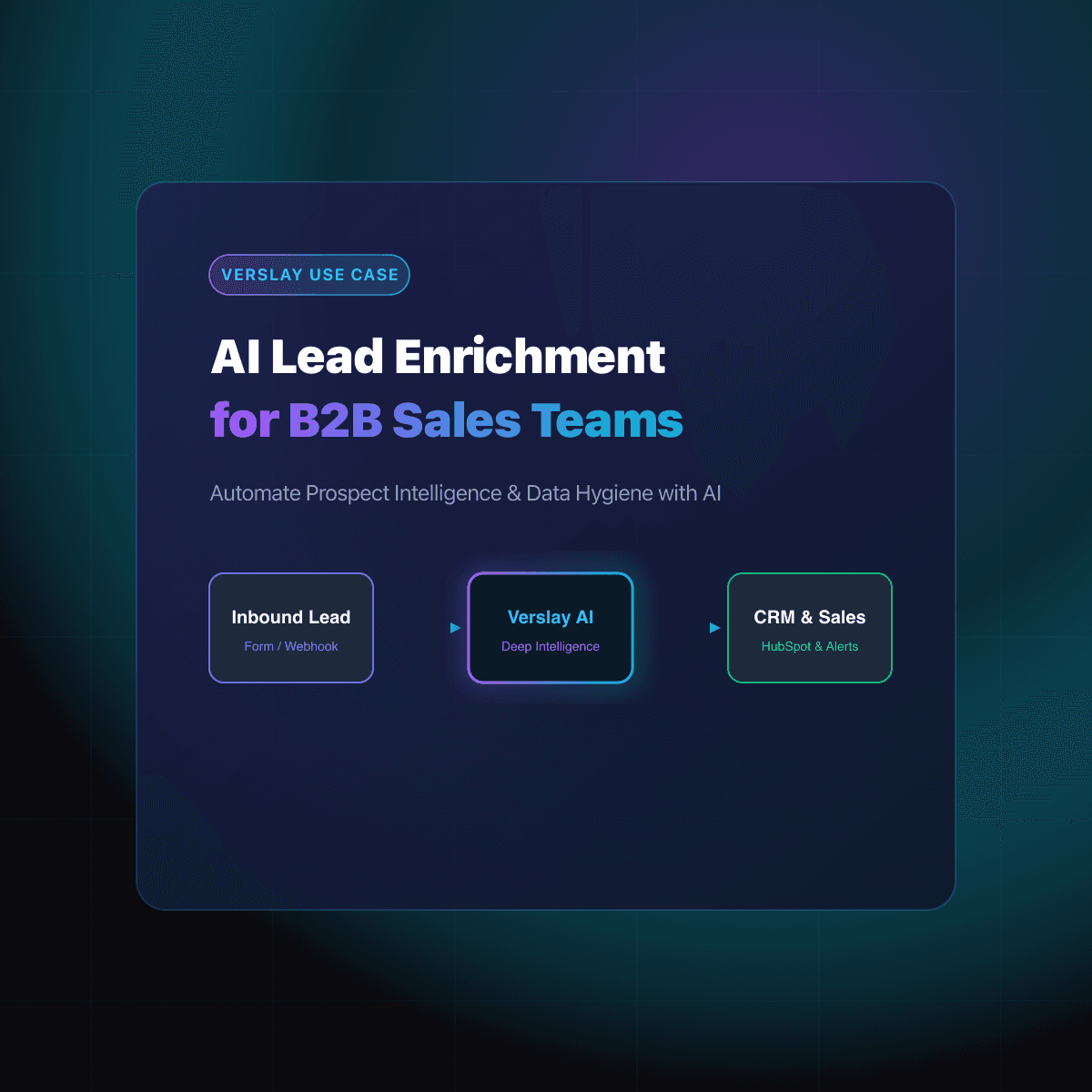
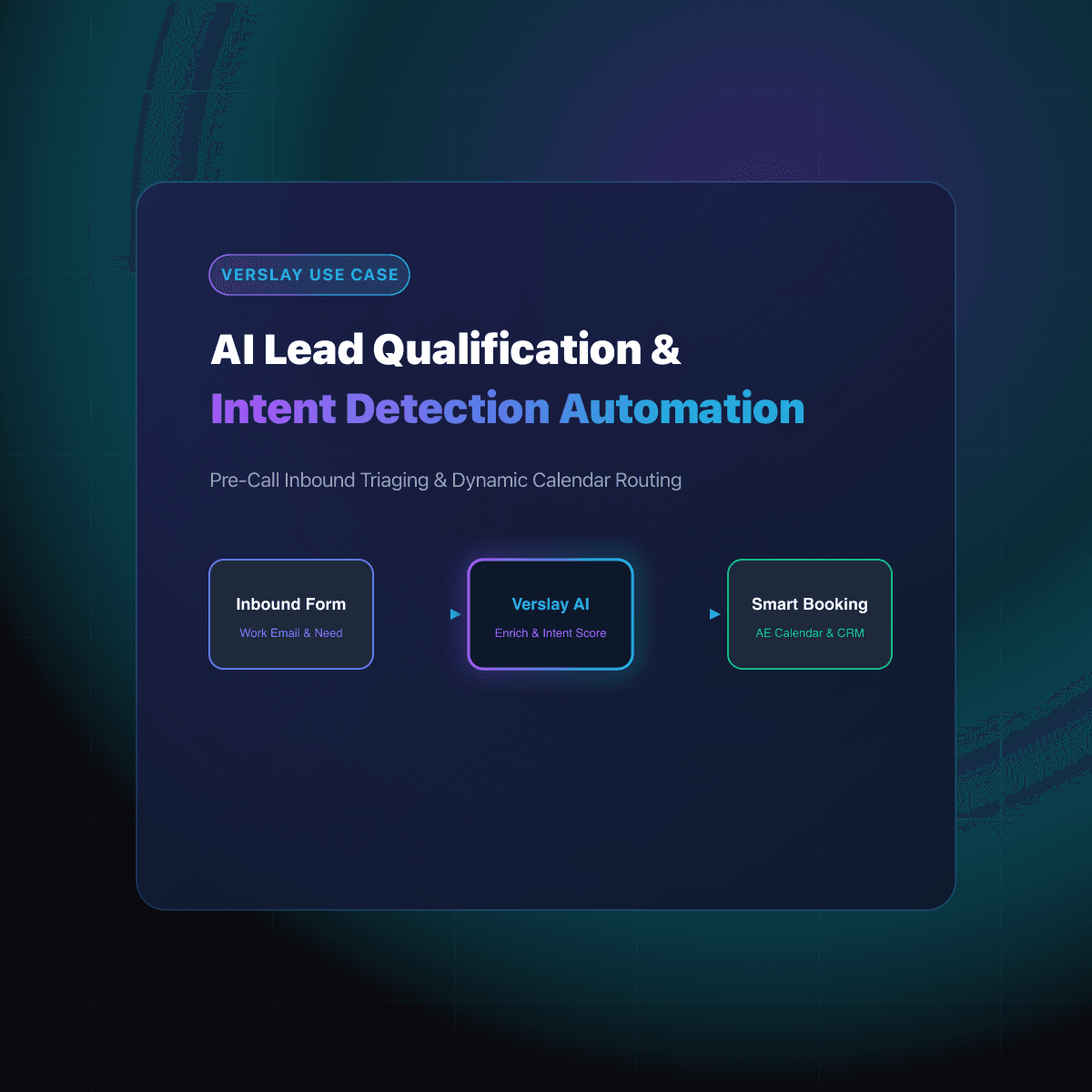
Automating lead qualification scoring and intent detection before scheduling calls requires connecting website forms, chat tools, and calendar schedulers directly to CRM databases via autonomous AI agents. By analyzing firmographic data, technographic fit, and real-time behavioral intent signals, AI agents assign dynamic lead scores and determine meeting eligibility as the form is submitted—ensuring sales reps only spend time on high-converting B2B prospects.
In modern B2B sales operations, calendar booking friction and unqualified demo calls remain double-edged problems. Allowing open access to rep calendars invites low-fit leads, competitors, and spam submissions. Conversely, forcing every prospect through long static forms with many required questions drastically lowers conversion rates for high-value buyer accounts.
Deploying autonomous AI Agents connected via Model Context Protocol (MCP) bridges this gap by turning minimal form inputs into enriched, scored, and intelligent routing decisions instantaneously.
The Hidden Cost of Unqualified Demo Calls
When sales teams allow unrestricted booking or rely solely on manual SDR triage, revenue velocity suffers across multiple metrics:
- Rep Fatigue & Wasted Capacity: Account Executives (AEs) spend a large share of their working hours hosting introductory calls with leads who lack budget, authority, or technical fit.
- Delayed Response Times for Tier-1 Accounts: High-intent prospects who submit a form are often forced to wait hours for a manual review before receiving a scheduling link, during which time they evaluate competitors.
- Inaccurate Pipeline Forecasting: Static lead scoring tools inside CRMs rely on arbitrary rules (for example, points for downloading a PDF) rather than evaluating actual buying intent, cluttering the pipeline with false positives.
Implementing real-time qualification before calendar presentation resolves these bottlenecks without adding friction for qualified buyers.
How AI-Driven Lead Qualification and Intent Detection Work
Modern pre-call qualification systems replace static rules with real-time multi-signal analysis. When a prospect submits their work email and project inquiry, an automated workflow runs four distinct phases automatically:
[Prospect Submits Form / Email]
               │
               ▼
   1. Domain & Firmographic Enrichment
   (Company Size, Revenue, Tech Stack)
               │
               ▼
   2. Intent & Natural Language Scoring
   (Urgency, Budget, Use-Case Matching)
               │
               ▼
   3. Dynamic Eligibility Gate
   (Fit score above your threshold?)
        ├── YES ──► Present Instant Rep Calendar (Calendly / HubSpot)
        └── NO  ──► Route to Nurture Sequence / Self-Service Demo
1. Inbound Signal Interception & Domain Enrichment
The moment a user enters an email address, the AI agent uses MCP data tools to query company registries, firmographic providers, and technographic databases. It verifies whether the domain belongs to a registered business, checks employee headcount, and maps existing tech stack tools.
2. Natural Language Intent Scoring
Instead of relying on rigid drop-down menus, the AI agent parses unstructured inquiry text ("We need to connect our CRM and e-signature tools before next quarter"). Using contextual LLM reasoning, it evaluates budget authority, urgency signals, and alignment with your core service offerings.
3. Dynamic Scoring & Threshold Evaluation
The agent combines firmographic fit and intent signals into a unified qualification score. Leads above your target threshold are classified as Tier-1 SQLs.
4. Smart Calendar Routing & CRM Synchronization
If qualified, the form interface instantly transitions to an embedded calendar widget assigned to the appropriate account rep based on territory, deal size, or vertical expertise. Simultaneously, the agent logs the lead, score breakdown, and intent summary into your CRM (HubSpot, Salesforce, or Pipedrive).
For deeper workflow patterns on CRM automation, explore our guide on HubSpot AI Agents and B2B Lead Scoring Automation.
Intent Signals: Static Forms vs. AI Agentic Detection
Comparing traditional form-gate approaches with real-time AI intent detection highlights why revenue teams are upgrading their inbound stack:
| Evaluation Criteria | Static Form Rules | AI Agentic Intent Detection | Impact on Pipeline Velocity | | :--- | :--- | :--- | :--- | | User Input Friction | Many required form fields | Email and inquiry only | Fewer fields for the buyer to complete | | Enrichment Speed | Batch sync on a schedule | Real-time | Instant calendar presentation for Tier-1 leads | | Intent Analysis | Keyword matching on job titles | Contextual LLM analysis of needs & timeline | Eliminates false-positive calendar bookings | | Routing Logic | Static round-robin assignment | Capability-based & account-history matching | Connects buyers to the most relevant specialist | | CRM Data Hygiene | Rep manually updates notes | Auto-generated pre-call brief attached to deal | Less pre-call prep per meeting |
Integrating AI Qualification Agents into Your Existing Stack
Deploying pre-call intent scoring with Verslay requires no overhaul of your web stack. Through standard webhooks and MCP server bridges, AI qualification agents connect directly into your existing infrastructure:
- Form Layer: Works alongside Typeform, Webflow Forms, HubSpot Forms, or custom React form components.
- CRM & Enrichment Layer: Connects via MCP to HubSpot, Salesforce, Apollo, Clearbit, and ZoomInfo.
- Scheduling Layer: Interfaces directly with Calendly, HubSpot Meetings, or Chilipiper.
Learn how AI Lead Enrichment for B2B Teams and AI Support Triage streamline pipeline operations across your organization. For the enrichment side on its own, read AI lead enrichment for B2B sales teams.
Best Practices for Deploying Automated Pre-Call Triaging
To ensure a seamless buyer experience while maintaining strict qualification standards, follow these implementation guidelines:
- Maintain a Graceful Fallback: If a prospect fails real-time firmographic enrichment due to a new domain, default to intent-text scoring rather than outright rejection.
- Provide Instant Transparency: If a lead does not meet calendar criteria, immediately redirect them to an interactive product tour or schedule a deferred asynchronous review.
- Feed Pre-Call Briefs to Reps: Ensure your AI agent generates a short summary in the calendar invite (Key Need, Tech Stack, Identified Risk) so reps enter meetings fully prepared.
- Continuously Calibrate Thresholds: Review closed-lost and closed-won data monthly to refine intent weighting and qualification thresholds.
Frequently Asked Questions
How does AI automate lead qualification and intent detection before a demo call?
AI agents process inbound form data, enrich company domain records via Clearbit and Apollo APIs, analyze sentiment and intent from submission text, and dynamically route or block calendar booking links based on account fit.
What intent signals are most important for scoring inbound B2B leads?
Primary intent signals include company headcount, tech stack compatibility, annual budget indicators, urgency language in inquiry notes, product page visit velocity, and corporate email domain validation.
How do AI agents integrate with calendar booking tools like Calendly and CRMs like HubSpot?
AI agents intercept form webhooks before displaying calendar scheduling widgets, score the lead in real-time within your CRM, and only present open calendar slots to qualified accounts while routing low-fit leads to self-service resources.
Accelerate Inbound Conversion with Verslay
By automating lead qualification scoring and intent detection before scheduling calls, revenue teams protect rep calendar capacity while delivering instant, frictionless booking for high-value prospects.
Explore Verslay's AI Agents and Sales Qualification Use Cases to build scalable, automated inbound revenue pipelines today.