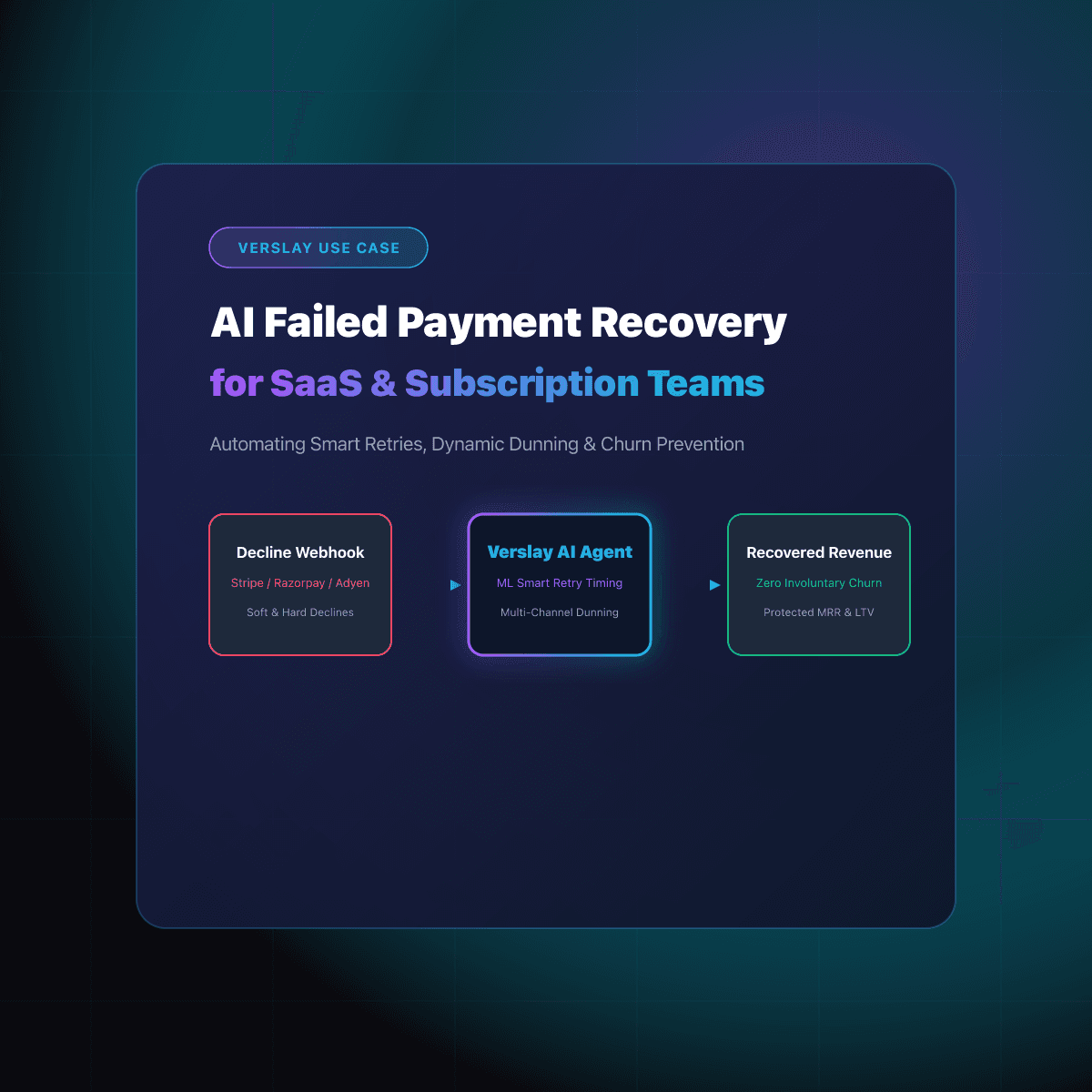
AI failed payment recovery for SaaS and subscription teams uses autonomous AI agents to analyze payment failure reason codes, schedule intelligent retry attempts, orchestrate personalized multi-channel dunning, and update billing credentials in real time. By connecting payment gateways like Stripe, Razorpay, and Cashfree with CRM systems and customer communication channels, AI agents eliminate involuntary churn, recover up to 75% of failed recurring transactions, and protect predictable monthly recurring revenue (MRR).
How this maps to Verslay: the Dunning & Collections Agent page covers this workflow. Failed and expiring subscriptions get one respectful, personalized recovery email each.
In subscription-based businesses, between 20% and 40% of overall customer churn is completely involuntary—caused not by customer dissatisfaction, but by passive payment failures such as expired credit cards, transient bank processing glitches, insufficient funds during renewal billing windows, or over-aggressive fraud detection filters. When subscription businesses rely on rigid, one-size-fits-all retry schedules and generic dunning emails, failed transactions spiral into canceled subscriptions, eroding customer lifetime value (LTV) and multiplying customer acquisition costs (CAC).
Deploying autonomous AI Agents integrated via Model Context Protocol (MCP) and payment gateway webhooks transforms payment recovery from a blunt, mechanical task into an intelligent, high-conversion retention engine.
Why Failed Payments Silently Drain SaaS Revenue and Trigger Involuntary Churn
Subscription businesses and recurring revenue models face distinct operational challenges when managing failed billing events:
- Static and Predictable Retry Timing: Traditional billing platforms retry failed charges on rigid cadence intervals (e.g., every 3 days). If a customer gets paid on the 1st and 15th of the month, retrying a charge on the 8th or 12th repeatedly encounters insufficient funds and exhausts gateway retry limits prematurely.
- Inadequate Error Code Differentiation: Gateway error codes vary drastically—from temporary network timeouts and daily limit caps (soft declines) to stolen card reports and invalid account numbers (hard declines). Applying the same recovery playbook to both categories wastes retry attempts and risks gateway merchant penalties.
- Generic and Robotic Dunning Messages: Standard automated emails with "Your Payment Failed" subject lines often land in spam folders or trigger anxiety without providing actionable, secure self-service update links.
- Disconnected Customer Success Context: When a VIP account or high-LTV customer experiences a billing failure, standard systems immediately cut off account access without notifying the dedicated account executive or Customer Success Manager (CSM).
- The Friction of Card Re-entry: Requiring customers to log into complex portals or navigate multiple authentication hurdles just to update an expired expiration date leads to procrastination and churn.
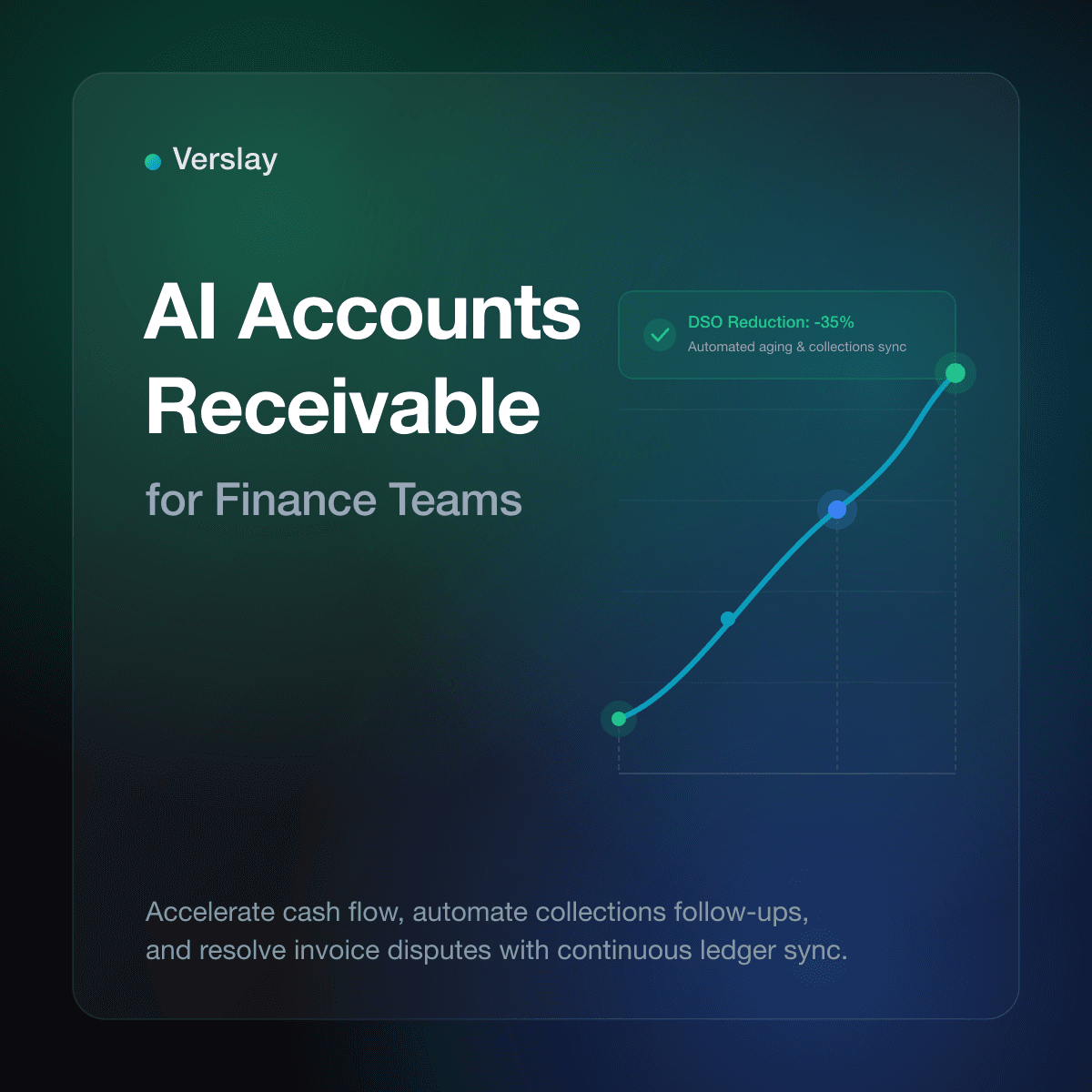
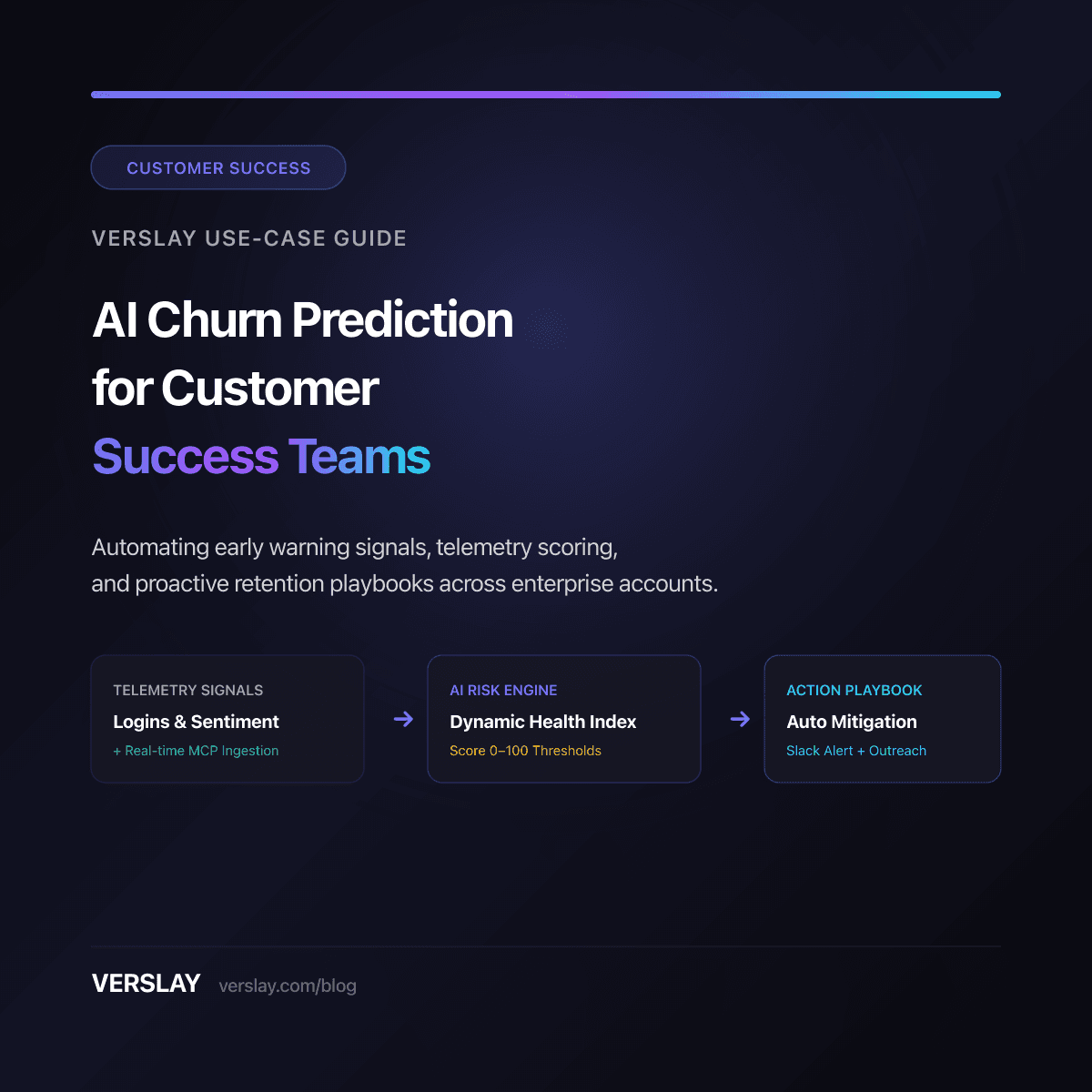
Explore how AI accounts receivable automation for finance teams and AI churn prediction for customer success help organizations protect revenue streams and prevent customer drop-off.
Core Capabilities: How Autonomous AI Agents Automate Failed Payment Recovery
Autonomous AI agents act as dedicated revenue-recovery co-pilots, orchestrating continuous diagnostics, smart retries, and customer communications across your billing stack:
1. Intelligent Failure Diagnostics & Reason Code Classification
AI agents analyze raw gateway decline payloads in real time:
- Soft vs. Hard Decline Segmentation: Categorizes errors instantly into recoverable soft declines (e.g.,
insufficient_funds,processing_error,temporary_hold) versus unrecoverable hard declines (e.g.,card_stolen,account_closed,fraudulent). - Bank-Specific Pattern Recognition: Identifies issuing bank behavior, weekend settlement delays, and geo-specific processing windows to calibrate recovery paths.
- Card Network Status Verification: Cross-references Visa, Mastercard, and American Express account updater services to check if a replacement card token is already available.
2. Machine Learning Smart Retries & Timing Optimization
Maximizing recovery rates behind the scenes without bothering the customer:
- Optimal Retry Scheduling: Dispatches automated retries at times with historically highest success probabilities—such as typical payroll deposit dates (1st, 15th, or last business day of the month) and local morning banking hours.
- Network Token Routing: Automatically falls back to secondary payment gateways or alternate local routing rules when cross-border acquiring fees or regional processing barriers cause declines.
- Adaptive Spacing: Dynamically spaces retry intervals based on previous attempt responses, avoiding redundant charges that could trigger bank fraud alerts.
3. Dynamic Multi-Channel Dunning & Frictionless Self-Service
Engaging the customer through their preferred, verified communication channels:
- Personalized Context-Aware Outreach: Drafts courteous, brand-aligned emails explaining the exact issue and highlighting uninterrupted service continuity rather than punitive account cancellation threats.
- One-Click Secure Update Pages: Generates authenticated, temporary magic links that allow authorized billing contacts to update card details in seconds on mobile or desktop without entering passwords.
- Multi-Channel Orchestration: Escalates gracefully across email, in-app banners, SMS, and WhatsApp based on account urgency and historical response velocity.
4. Proactive Expiration Tracking & Card Account Updates
Stopping payment failures before they ever occur:
- Pre-Expiration Alerts: Monitors card expiration dates 30 and 15 days in advance, sending friendly reminders to customers whose cards are set to lapse before the next renewal billing date.
- Automated Card Metadata Refresh: Integrates with Stripe Billing and payment gateway account updaters to silently refresh expired card numbers and CVVs whenever banks issue replacement cards.
- Alternative Payment Method Promotion: Promotes seamless alternatives like ACH direct debit, SEPA, UPI, or corporate wire transfers when credit cards repeatedly decline.
5. High-Value Account Escalation & CSM Collaboration
Protecting key commercial relationships with high-touch intervention:
- Tier-Based Workflow Branching: Flags premium tier accounts and halts automated service suspension while routing an instant Slack or Teams summary to the assigned CSM and Account Executive.
- Custom Grace Period Configuration: Extends tailored grace periods for verified high-value accounts undergoing internal procurement or invoice approval cycles.
- Comprehensive Recovery Analytics: Tracks recovery rate by cohort, MRR saved, average time to recovery, and involuntary churn reduction across executive dashboards.
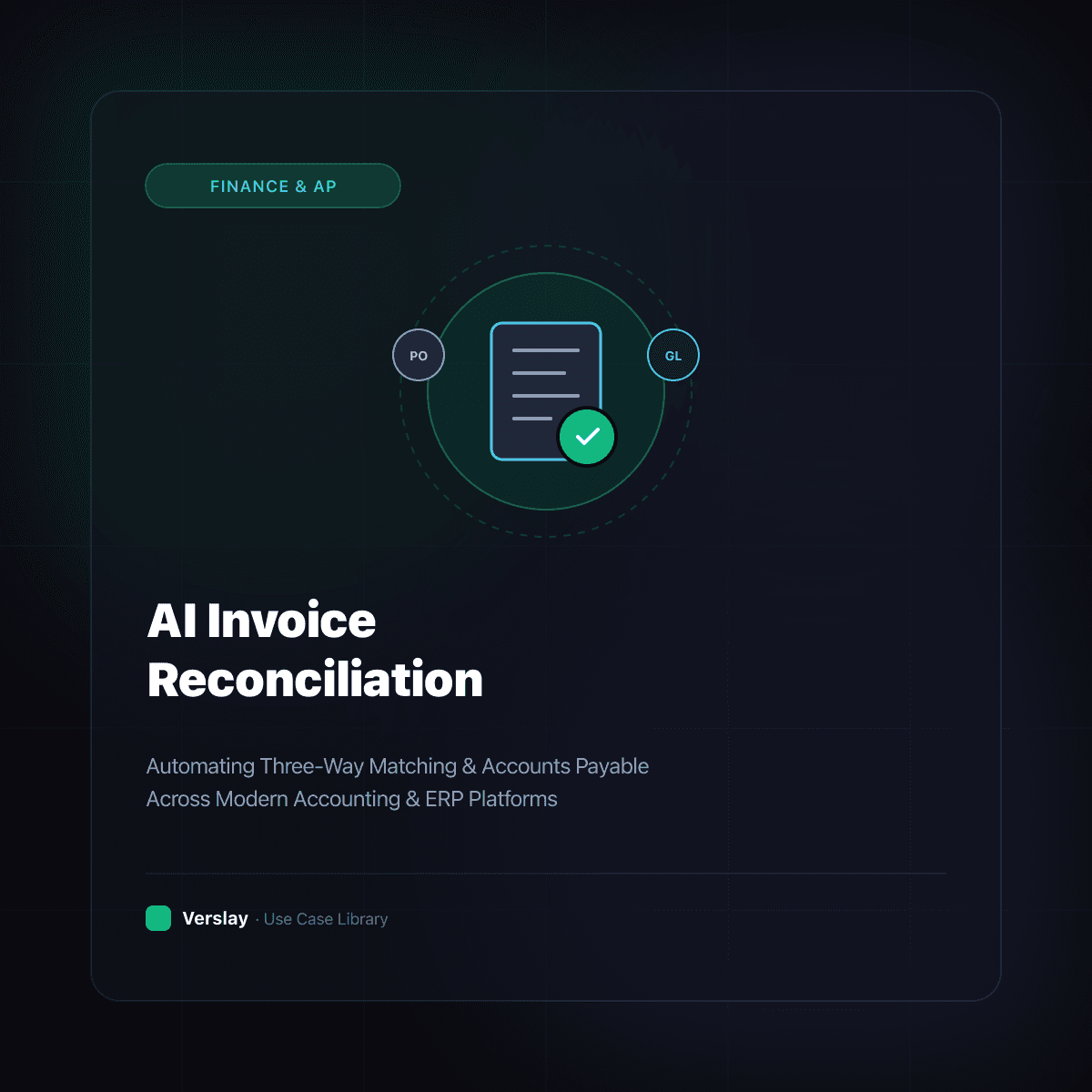
Discover how AI invoice reconciliation for finance teams automates multi-channel payment matching and general ledger updates.
Architecture of an Autonomous Failed Payment Recovery Pipeline
The diagram below illustrates how an AI failed payment recovery agent intercepts gateway decline events, optimizes smart retry schedules, orchestrates multi-channel dunning, and reconciles recovered revenue:
[Payment Gateway Webhook] (Stripe, Razorpay, Adyen, Cashfree)
                             │
                             ▼
         [AI Payment Recovery & Diagnostics Engine]
      (Decline Code Analysis, Token Check, Risk Tiering)
                             │
                             ▼
            ┌────────────────┴────────────────┐
            ▼                                 ▼
   [Soft Decline Path]               [Hard Decline Path]
(Smart Retry & Timing Model)      (Immediate Dunning & Card Update)
            │                                 │
            ├─────────────────────────────────┘
            ▼
┌─────────────────────────────────────────────────────────────┐
│             Autonomous Multi-Channel Dunning                │
│ (Magic Link Emails, In-App Notifications, SMS, CSM Alerts)  │
└─────────────────────────────┬───────────────────────────────┘
                              │
                              ▼
                [Customer Action / Smart Retry]
            ┌─────────────────┴─────────────────┐
            ▼                                   ▼
    [Payment Recovered]                [Persistent Failure]
(Ledger Updated, MRR Secured)      (CSM Escalation / Grace Period)
- Intercept & Diagnose: Capture payment decline webhooks in real time, extract raw gateway error codes, and evaluate customer account value.
- Execute Smart Retries: Automatically calculate and execute optimal retry intervals for recoverable soft declines.
- Trigger Personalized Dunning: Deploy multi-channel communication with secure one-click card update links for required manual interventions.
- Escalate & Reconcile: Notify account executives for high-value accounts, restore active subscription statuses, and record recovered revenue.
Comparing Static Dunning Rules vs. Autonomous AI Payment Recovery
| Capability Dimension | Traditional Static Dunning Rules | Autonomous AI Payment Recovery | | :--- | :--- | :--- | | Retry Scheduling | Fixed time intervals (e.g., +3 days, +7 days) | Machine-learning optimized by time zone, payday, and issuer | | Decline Code Handling | Uniform treatment across all error types | Granular separation of soft vs. hard declines and fraud codes | | Customer Experience | Generic, robotic "Payment Failed" warning emails | Empathetic, personalized outreach with 1-click magic update links | | Channel Support | Email-only notifications | Orchestrated email, in-app banners, SMS, and CSM alerts | | VIP Account Protection | Indiscriminate account lockouts | Real-time CSM alerts and automated custom grace periods | | Recovery Efficiency | Recovers 20% to 35% of failed volume | Recovers 60% to 75%+ of failed subscription revenue | | Involuntary Churn Impact | Significant monthly revenue leakage | Near-zero involuntary churn from passive billing errors |
Measurable Business and Financial ROI
Implementing autonomous AI failed payment recovery delivers immediate, compound revenue gains for SaaS and subscription businesses:
- Up to 75% Recovery of Declined Revenue: Recovers the vast majority of soft declines and card-related billing exceptions without human staff intervention.
- 30%–50% Reduction in Involuntary Churn: Prevents active, satisfied customers from slipping away due to passive credit card expiration or temporary bank holds.
- Immediate LTV Expansion: Retaining customers through critical renewal periods extends average customer lifetime value and improves net revenue retention (NRR).
- 100% Protection of Key Customer Relationships: Eliminates embarrassing automated lockouts for VIP accounts while giving CSMs complete visibility into billing exceptions.
- Zero Ongoing Operational Overhead: Finance and customer support teams save hundreds of hours previously spent manually chasing failed payments and reconciling billing logs.
Discover how Verslay's AI Agents and Workflow Automation Solutions optimize revenue operations from checkout to collections.
See it in Verslay
Verslay agents work through the tools you already connect and prepare drafts and staged actions for a person to approve. The Dunning & Collections Agent page shows the real workflow. You can also browse all use cases or book a 30-minute walkthrough.
Frequently Asked Questions
What is AI failed payment recovery for SaaS and subscription businesses?
AI failed payment recovery uses autonomous AI agents, machine learning retry schedules, and personalized dunning workflows to recover declined subscription transactions, resolve expired cards, and eliminate involuntary churn.
Why do recurring subscription payments fail in B2B and B2C SaaS?
Payments fail due to card expiration, insufficient funds, temporary bank network outages, outdated billing addresses, or strict anti-fraud risk rules from issuing banks.
How does AI-driven smart retry logic outperform basic static dunning schedules?
Rather than retrying transactions on fixed intervals, AI agents analyze customer time zones, historical settlement patterns, card network response codes, and balance refresh cycles to trigger retries at the highest-probability recovery window.
Protect Subscription Revenue with Verslay
Stop losing customers to passive billing failures and fragmented dunning workflows. With Verslay, subscription businesses deploy intelligent AI agents that connect directly with payment gateways, CRM databases, and messaging channels to maximize payment recovery and eliminate involuntary churn.
Explore Verslay's AI Agents, review Pricing Options, and discover how our Finance Automation Solutions safeguard your recurring revenue today.