AI month-end close automation transforms accounting operations by deploying autonomous AI agents to continuously orchestrate closing checklists, reconcile subledgers against the general ledger (GL), calculate recurring accruals and prepaid amortizations, and generate auditable trial balance variance reports. By eliminating manual spreadsheet tie-outs and transaction-level data entry across ERPs, banking feeds, and billing platforms, automated close workflows compress monthly accounting cycles from 10–15 business days to under 48 hours while ensuring complete audit compliance under US GAAP and IFRS. Rather than rushing through manual journal vouchers under stressful closing deadlines, controllers and finance leaders maintain continuous, real-time accounting visibility with verified reconciliation trails.
For high-growth mid-market enterprises and global corporations alike, the monthly financial close remains one of the most stressful, labor-intensive, and error-prone rituals in business. Accounting teams find themselves trapped in an intense two-week gauntlet of exporting CSV files, cross-checking bank balances, booking repetitive journal entries, and reconciling disparate subledgers for accounts payable (AP), accounts receivable (AR), fixed assets, and payroll. When transactions fail to match, senior accountants spend hours tracing rounding errors or unrecorded vendor invoices, leaving little time for strategic variance analysis or forward-looking financial advisory.
Compounding this friction is the operational complexity of modern corporate structures. Multi-entity organizations managing dozens of operating subsidiaries, diverse currencies, and separate ERP instances must navigate intricate intercompany transactions, foreign exchange (FX) revaluations, and complex revenue recognition standards (such as ASC 606 and IFRS 15). Traditional closing checklists tracked in static spreadsheets quickly degrade into version chaos, where task dependencies, approval gates, and documentation workpapers become disorganized and prone to compliance lapses.
By deploying autonomous AI Agents integrated across general ledgers, banking APIs, and operational systems via standard Model Context Protocol (MCP) connections, corporate accounting teams shift from reactive retroactive closes to continuous accounting. Instead of cramming thirty days of verification into the first week of the new month, AI agents continuously process, reconcile, and audit ledger activity around the clock.
The Month-End Bottleneck: Why Manual Financial Closes Drain Finance Teams
The traditional "batch-and-queue" closing model was designed for an era when business transactions were processed on paper journals and monthly paper statements. Today, modern business generates millions of digital transactions across fragmented SaaS platforms, payment processors, and banking portals.
When accounting departments attempt to close their books using legacy spreadsheet-driven methods, they encounter persistent operational bottlenecks:
- Subledger-to-GL Discrepancies: Disconnects between operational subledgers (such as Stripe billing, procurement systems, or payroll platforms) and the ERP general ledger require tedious line-by-line tie-outs. Minor timing differences or system glitches often require days of manual forensic research to locate.
- Accrual and Prepaid Guesswork: Calculating monthly prepaid expense amortization, accrued liabilities, and deferred revenue requires manual schedule maintenance across hundreds of spreadsheet tabs. Missed invoices or delayed supplier bills force accountants to rely on hasty estimates that distort monthly operating margins.
- Intercompany Matching and Elimination Friction: When entities transact internally, matching corresponding receivables and payables across different entities and currencies often results in imbalance errors. Accountants must manually identify out-of-balance intercompany accounts and prepare offsetting elimination journal entries before consolidation can proceed.
- Spreadsheet Version Chaos and Checklist Drift: Close checklists maintained in shared documents or generic project tools fail to reflect real-time ledger status. Task owners must manually ping colleagues for sign-offs, and critical dependencies—such as waiting for bank reconciliations before running depreciation—are frequently violated.
- Audit Deficiencies and Scrambled Documentation: External auditors require meticulous Provided by Client (PBC) documentation, including supporting invoices, calculation workpapers, and evidence of review. Gathering these audit trails retrospectively consumes hundreds of hours and increases the risk of Sarbanes-Oxley (SOX) control deficiencies.
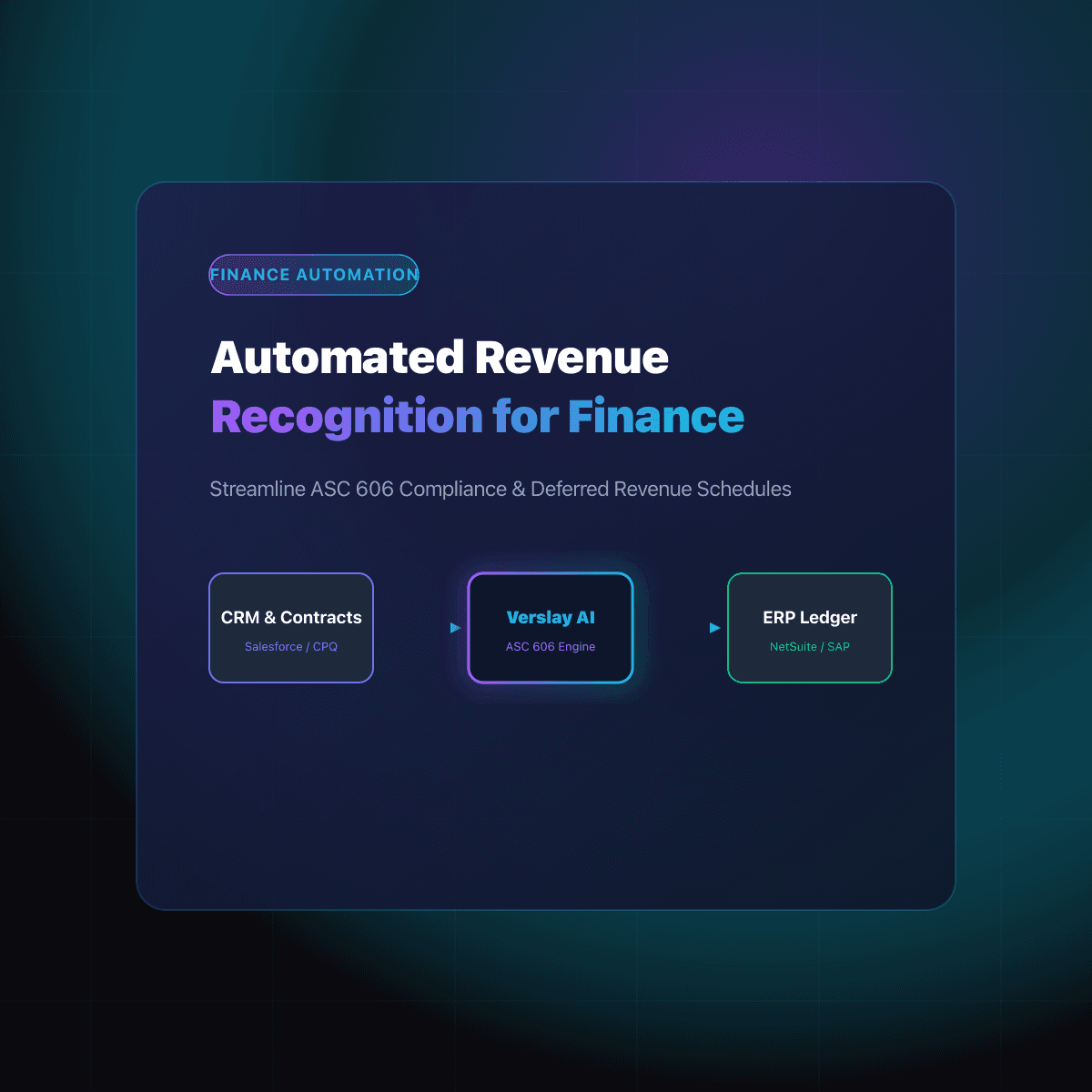
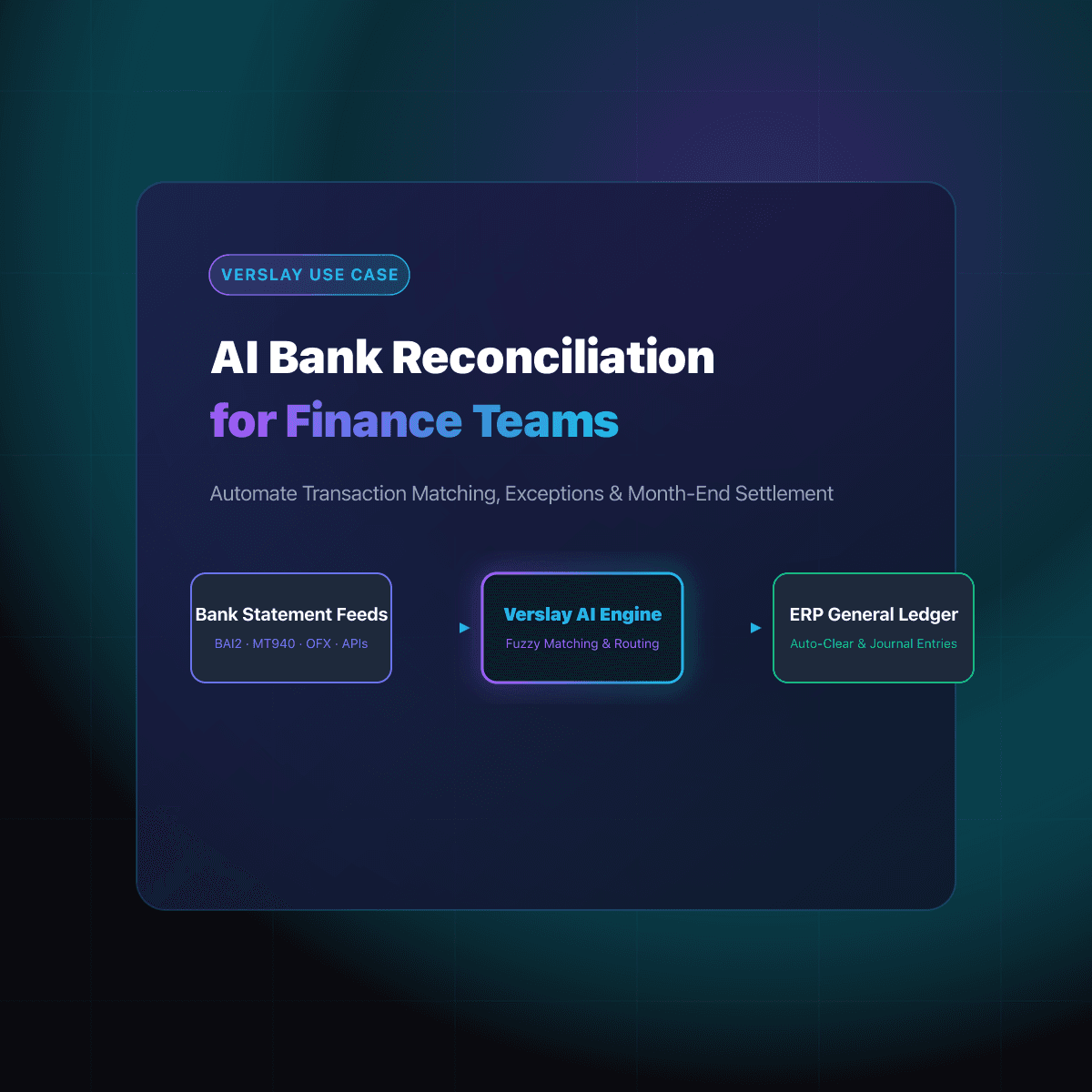
To explore how related financial operations are automated to eliminate closing bottlenecks, see our guides on automated revenue recognition for finance teams and AI bank reconciliation for finance teams.
Core Capabilities of Autonomous AI Month-End Close Agents
Autonomous month-end close agents act as always-on digital accounting specialists, executing repetitive close activities, validating balances against internal policies, and assembling audit-grade documentation:
1. Continuous Transaction Ingestion & Pre-Close Hygiene
Transforming the close from a high-stress sprint into an ongoing background verification process:
- Multi-Source ERP & Banking Ingestion: Continuously ingests journal entries, transaction feeds, and statement lines from core ERPs (NetSuite, SAP S/4HANA, Microsoft Dynamics 365, QuickBooks Online, Workday) and banking partners via secure MCP connections.
- Proactive Anomaly & Duplicate Detection: Automatically identifies duplicate vendor billings, unmapped chart of accounts (COA) codes, and unauthorized ledger entries throughout the month, resolving discrepancies weeks before the calendar close begins.
- Automated Cutoff Enforcement: Verifies transaction posting dates against inventory receipts, shipping logs, and contract milestones to guarantee strict adherence to period cutoff requirements under US GAAP and IFRS.
2. Autonomous Subledger Reconciliation & Tie-Out
Eliminating manual balance sheet account reconciliations across complex ledgers:
- Automated Balance Sheet Account Matching: Reconciles cash, AP, AR, fixed assets, and payroll clearing accounts against subledger detail. High-confidence matches are reconciled automatically, while exceptions are flagged with contextual variance explanations.
- Automated Bank Reconciliation: Matches bank statement lines with recorded GL disbursements and deposits, generating suggested clearing entries for merchant processing fees, interest, and bank charges.
- High-Precision Exception Resolution: Evaluates unmatched line items against historical vendor transaction patterns, open purchase orders, and credit memos to suggest exact journal adjustment candidates.
3. Automated Amortization Schedules & Accrual Journal Generation
Streamlining recurring adjustments without spreadsheet formula maintenance:
- Prepaid Expense Amortization: Automatically maintains prepaid asset schedules for software subscriptions, insurance premiums, and commercial leases, generating monthly straight-line amortization journal entries directly into the ERP staging queue.
- Recurring & Non-PO Accrual Calculation: Analyzes open purchase orders, unbilled vendor deliveries, and historical recurring utility or SaaS expenses to generate accurate month-end expense accruals.
- Fixed Asset Depreciation Posting: Ingests new capital asset additions, applies configured tax and book depreciation conventions (e.g., MACRS or straight-line), and drafts monthly depreciation entries across asset categories.
4. Intercompany Matching, FX Translation & Consolidation
Unifying global corporate structures with multi-currency automation:
- Bilateral Intercompany Tie-Out: Real-time cross-entity matching of intercompany receivables and payables, instantly isolating mismatching amounts caused by FX volatility, timing delays, or miscoded entity identifiers.
- Automated Elimination Journal Vouchers: Automatically drafts eliminating entries for intercompany revenue, expenses, dividends, and management fees upon trial balance aggregation.
- Multi-Currency Revaluation: Automatically pulls daily central bank exchange rates (such as ECB, Federal Reserve, or Reuters feeds) to calculate realized and unrealized foreign exchange gains or losses on foreign currency monetary assets.
5. AI-Powered Flux & Variance Analysis (Budget vs. Actuals)
Elevating monthly financial review from mechanical calculation to strategic narrative:
- Automated Threshold Screening: Automatically evaluates month-over-month (MoM) and budget-versus-actuals (BvA) account variances against configured materiality thresholds (e.g., greater than 10% and $25,000).
- Contextual Financial Commentary Generation: Analyzes transaction-level drilldowns, vendor contract amendments, and departmental headcount shifts to draft fluent, human-readable commentary explaining the root cause of each balance sheet and P&L fluctuation.
- CFO & Controller Close Executive Summary: Compiles consolidated closing packages with executive KPI scorecards, working capital health metrics, and pending management approvals into structured review decks.
Technical Architecture: How AI Close Agents Operate via MCP
To operate with the precision and governance required by corporate financial controllers, autonomous close agents must not act as unconstrained black boxes. Instead, they operate within strict deterministic rails and auditable execution boundaries.
+-------------------------------------------------------------------------+
|                     Enterprise Financial Systems                        |
|   [NetSuite / SAP / Workday]   [Bank Plaid / SWIFT]   [Billing / Stripe]|
+------------------------------------+------------------------------------+
                                     | Secure REST & Webhook Feeds
                                     v
+-------------------------------------------------------------------------+
|                    Model Context Protocol (MCP) Bridge                  |
|  - read_gl_balances       - query_subledger_items   - fetch_bank_feed   |
|  - draft_journal_entry    - validate_coa_mapping    - lock_period_ledger|
+------------------------------------+------------------------------------+
                                     | Schema-Enforced Context
                                     v
+-------------------------------------------------------------------------+
|                 Autonomous AI Month-End Close Engine                    |
|                                                                         |
|  +----------------------+ +----------------------+ +------------------+  |
|  | 1. Ingestion & Cutoff| | 2. Subledger Tie-Out | | 3. Accrual Engine|  |
|  | - Bank Statement Sync| | - AP / AR Balancing  | | - Prepaids       |  |
|  | - Transaction Filter | | - Clearing Accounts  | | - Fixed Assets   |  |
|  +----------+-----------+ +----------+-----------+ +----------+-------+  |
|             |                        |                        |          |
|  +----------+------------------------+------------------------+-------+  |
|  |                   Deterministic Validation Rails                   |  |
|  |  - US GAAP / IFRS Consistency Checks                               |  |
|  |  - Debit / Credit Balance Sum Verification (delta = $0.00)         |  |
|  |  - Materiality Threshold Enforcement ($500 auto, >$5k review)      |  |
|  +-----------------------------------+--------------------------------+  |
|                                      | Verified Payloads                 |
|                                      v                                   |
|  +--------------------------------------------------------------------+  |
|  |                Human-in-the-Loop Controller Gate                   |  |
|  |  - Slack / Teams Draft Entry Review  - Single-Click ERP Posting    |  |
|  |  - Complete Audit Trail Generation   - SOC 1 / SOX Workpaper Binder|  |
|  +--------------------------------------------------------------------+  |
+-------------------------------------------------------------------------+
1. The Secure Ingestion & Tool-Gated Layer
The AI close agent interfaces with financial systems exclusively through read-only and staging-authenticated MCP endpoints. The agent cannot directly alter posted general ledger balances without passing explicit internal control validations:
mcp_erp_read_balances: Extracts current trial balances, account hierarchies, and transaction line items for the closing period.mcp_bank_fetch_statements: Retrieves normalized transaction feeds directly from enterprise treasury systems and custodial accounts.mcp_subledger_extract: Queries detailed billing records from Stripe, payroll registers from ADP/Rippling, and accounts payable invoices from procurement databases.
2. The Verification & Accounting Rule Rails
Before any journal entry is prepared for controller sign-off, deterministic rules validate mathematical integrity:
- Zero-Sum Ledger Balance Enforcement: Verifies that total debits exactly equal total credits across all generated lines (
sum(Debits) - sum(Credits) == 0.00) down to the exact fractional cent. - Valid Chart of Accounts Validation: Confirms that every account number, department tag, subsidiary entity, and project code exists and is active in the ERP master directory.
- Intercompany Balancing Verification: Ensures that intercompany balances net to zero across entities at standard consolidation exchange rates before elimination vouchers are queued.
3. Controller Review Gate & Audit-Ready Workpaper Generation
Every action performed by an AI close agent is accompanied by a tamper-evident audit workpaper:
- PBC Workpaper Packaging: Formats reconciliations into standard Excel/PDF workpapers referencing exact ERP journal numbers, supporting vendor invoices, and timestamped bank records.
- Two-Way Approval Workflows: High-volume, low-risk recurring amortizations within pre-approved tolerances are automatically staged for batch confirmation, while material flux variances trigger interactive approval cards in Slack or Microsoft Teams with one-click drilldowns.
48-Hour Fast Close Playbook: Operational Timeline
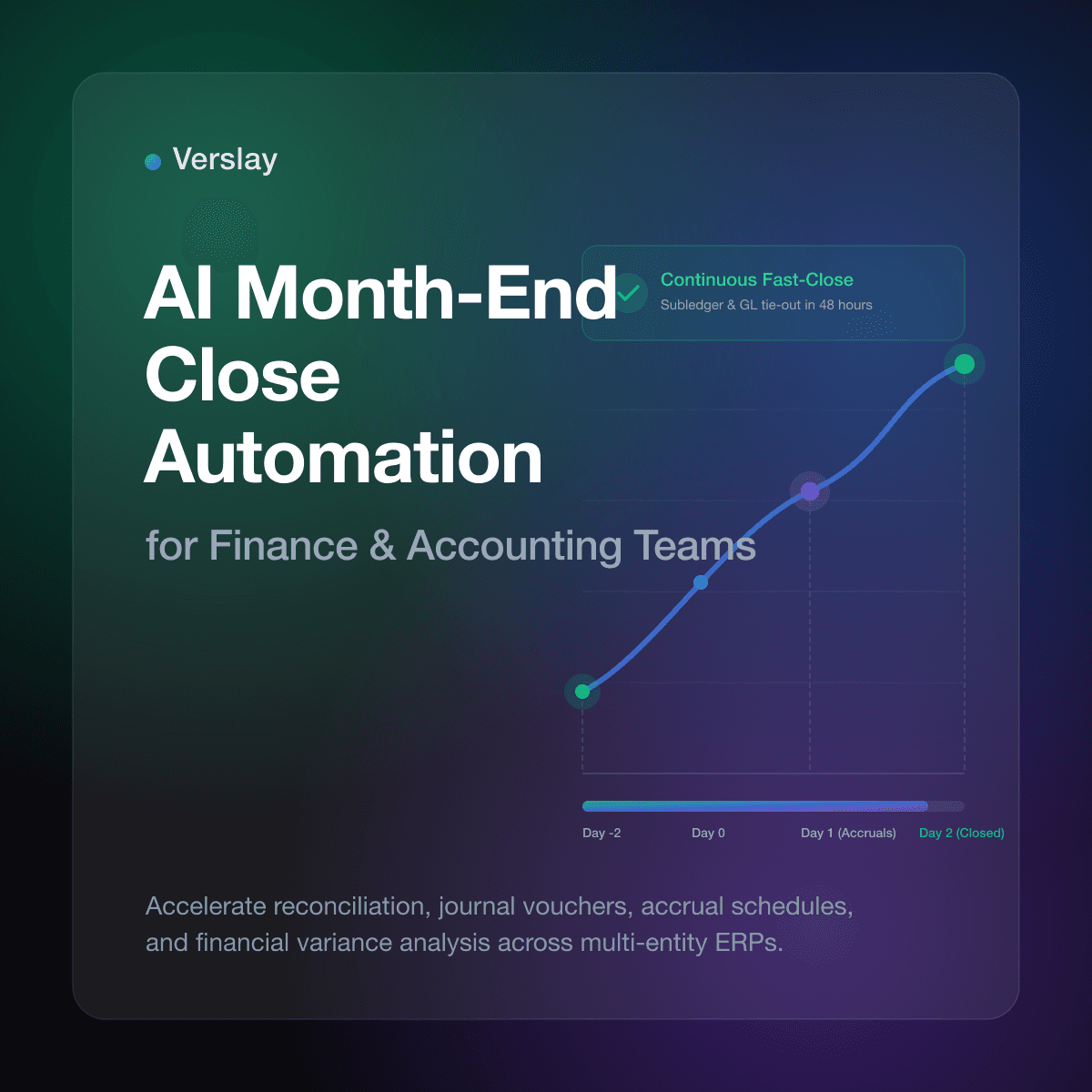
By replacing manual batch processing with continuous autonomous accounting, finance teams achieve an auditable, reliable 48-hour month-end close:
| Phase | Timeline | Primary AI Close Agent Activities | Human Review & Sign-off Gate | | :--- | :--- | :--- | :--- | | Pre-Close & Cutoff | Day -2 to Day 0 | Continuous sync of bank statement feeds; detection of unapproved vendor bills; automated customer payment allocation; unbilled revenue accrual estimation. | Controller reviews cutoff exceptions; AP manager confirms vendor invoice hold status. | | Subledger Reconciliation | Day 1 (Morning) | Automated 3-way reconciliation of bank feeds, AP aging, AR subledgers, and inventory balances; automated clearing of transit accounts. | Accounting manager signs off on cash and subledger tie-out workpapers. | | Adjustments & Accruals | Day 1 (Afternoon) | Calculation of straight-line prepaid amortizations; fixed asset depreciation posting; unbilled PO accruals; automated deferred revenue schedules. | Senior accountant reviews staged journal vouchers and releases batch to ERP. | | Intercompany & Consolidation | Day 2 (Morning) | Cross-subsidiary intercompany balance matching; automated creation of eliminating entries; FX translation and multi-currency revaluations. | Assistant controller approves intercompany elimination schedule and subsidiary consolidations. | | Flux Analysis & Reporting | Day 2 (Afternoon) | Automated calculation of MoM and BvA account variances; AI-generated variance commentary; compilation of executive balance sheet and P&L decks. | VP Finance and CFO conduct final balance sheet review and officially lock the accounting period. |
Real-World Impact: Quantifiable Results from Automated Closes
Organizations that replace legacy manual month-end processes with autonomous AI agents realize immediate improvements in efficiency, accuracy, and employee satisfaction:
1. Drastic Compression of Close Cycle Time
- 12 Days Reduced to 2 Days: Mid-market enterprises reduce the time required to publish finalized financial statements from an average of 10–14 business days down to less than 48 hours.
- Zero Weekend & Midnight Overtime: Eliminating the frantic end-of-month crunch eliminates burnout for accounting staff, reducing turnover on high-performing finance teams.
2. Enhanced Financial Accuracy & Reduced Audit Fees
- 99.8% First-Pass Reconciliation: Transaction matching algorithms resolve millions of lines of bank, billing, and ledger data with near-perfect fidelity, eliminating unlocated variance write-offs.
- 30–50% Reduction in Audit Preparation Costs: Because every journal entry and reconciliation workpaper includes linked source documents and timestamped approval logs, external auditors complete interim and year-end testing with minimal client inquiries.
3. Real-Time Strategic Business Steering
- Continuous Financial Visibility: Leadership teams access reliable P&L statements, gross margin trends, and burn rate metrics on Day 1 of the month rather than waiting until the middle of the following cycle.
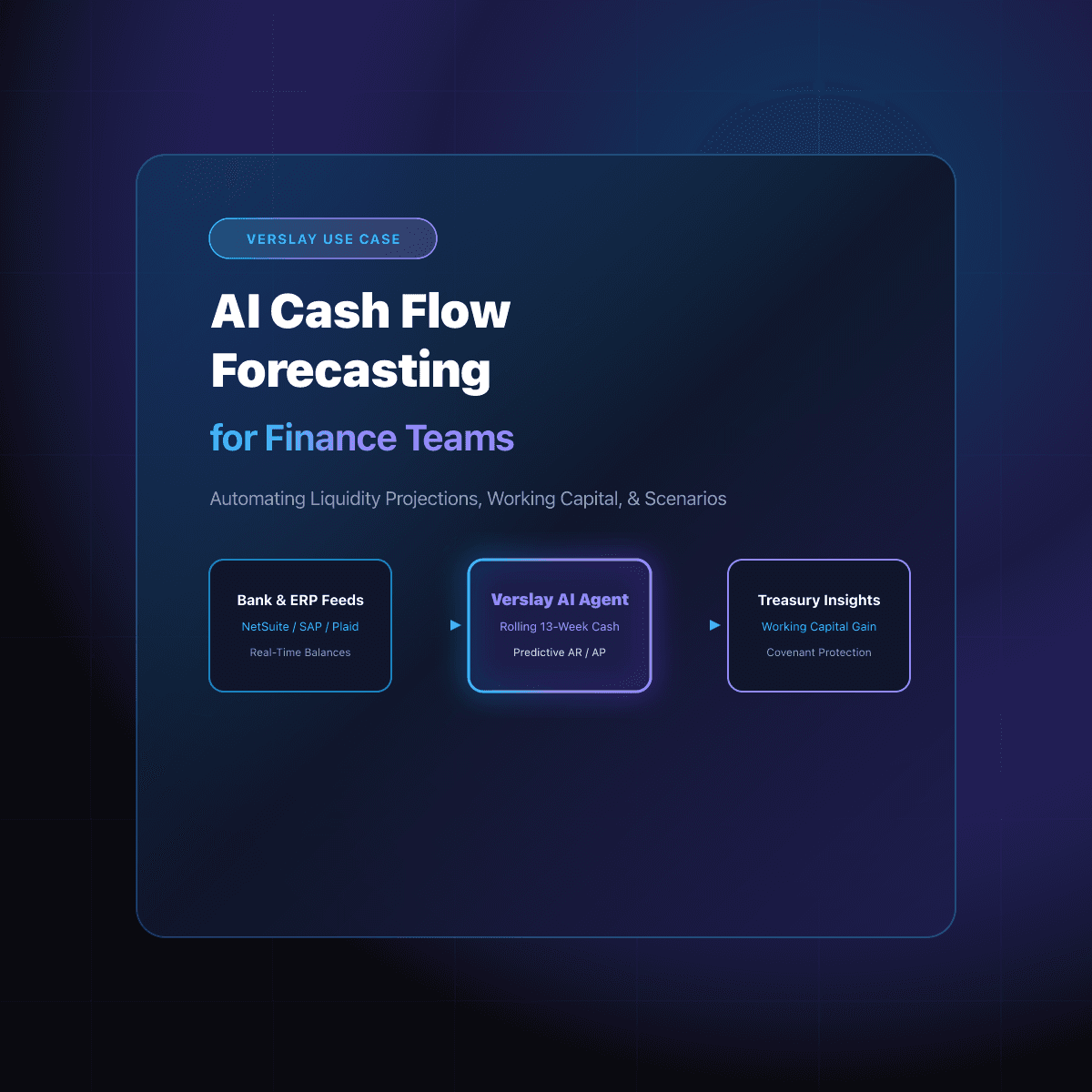
- Accurate Cash Forecasting: Fast-closing ledgers feed directly into dynamic liquidity models, enabling treasury leaders to deploy capital with higher confidence. For related cash management strategies, explore our overview of AI cash flow forecasting for finance teams.
Frequently Asked Questions
What is automated month-end close?
Automated month-end close uses AI agents to autonomously ingest general ledger data, reconcile subledgers and bank statements, calculate accruals and amortization schedules, and flag variances, reducing closing cycles from weeks to hours.
How does AI accelerate the month-end closing process?
AI accelerates month-end closing by executing rule-based and anomaly-aware matching across multi-entity ERPs, generating draft journal entries for recurring accruals, and automating variance analysis with auditable trial balance reports.
Can AI month-end close software integrate with existing ERP systems?
Yes, modern AI close automation agents integrate via Model Context Protocol (MCP) and REST APIs with major ERPs including NetSuite, SAP, QuickBooks, and Workday to verify ledger balances and update closing checklists in real time.
Getting Started with Autonomous Month-End Close on Verslay
Transitioning your accounting organization to an autonomous, continuous fast-close does not require ripping out existing ERP infrastructure or rewriting standard operating procedures. Verslay's modular AI agents integrate directly into your current accounting technology stack—connecting your general ledger, banking feeds, billing platforms, and communication channels into a unified, intelligent operational fabric.
Begin by automating repetitive, rule-heavy tasks such as daily bank reconciliation and prepaid expense amortization. As your team builds confidence in automated verification rails, expand into multi-entity intercompany matching, automated accrual modeling, and real-time flux commentary generation.
Discover how Verslay's Autonomous Agents empower modern controllers and finance leaders to close faster, eliminate compliance risks, and unlock continuous financial clarity.