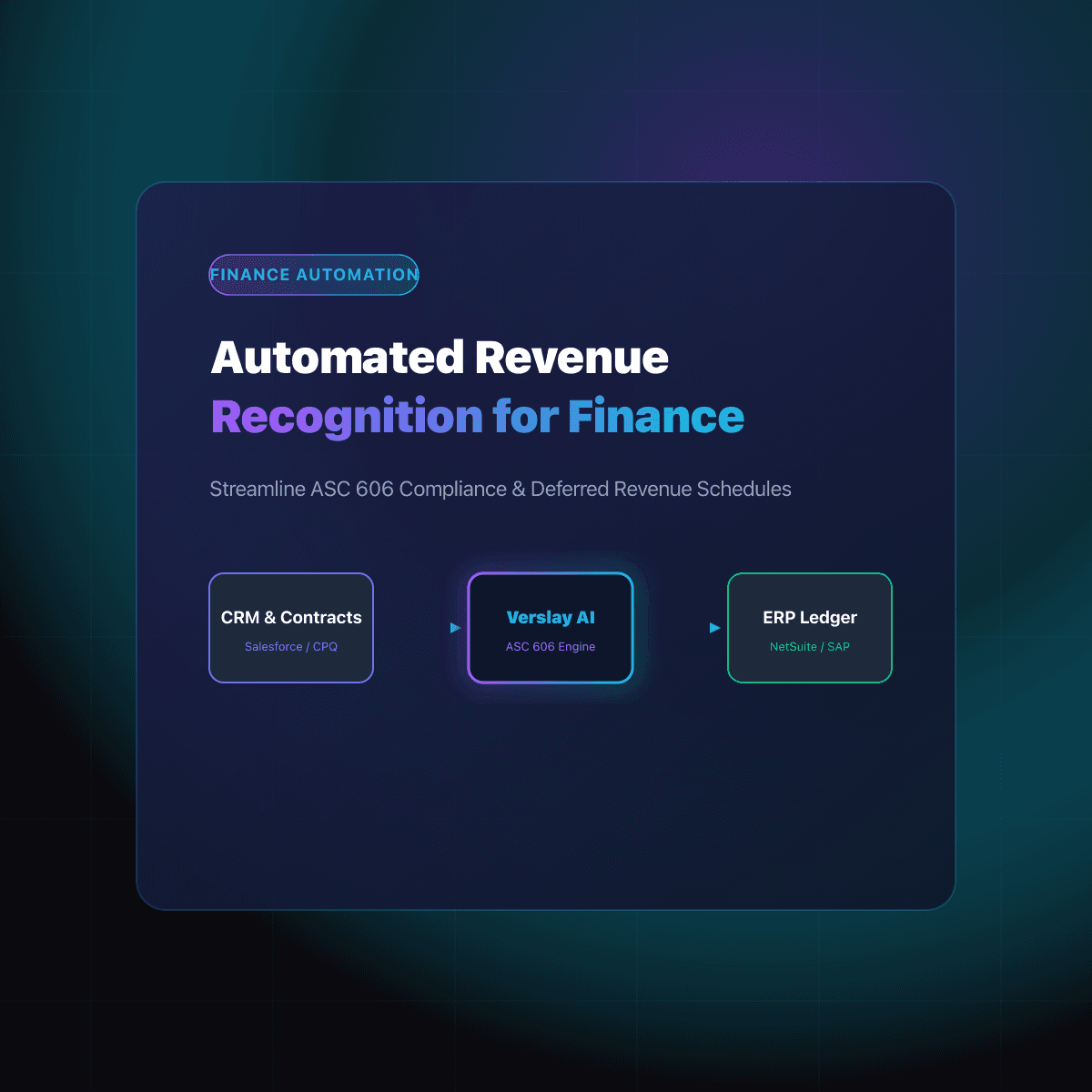
Automated revenue recognition is the software-driven process of identifying contractual performance obligations, calculating standalone selling prices (SSP), and generating deferred revenue amortization schedules under ASC 606 and IFRS 15 accounting standards. By orchestrating data flows across CRMs, CPQ quoting systems, billing engines, and enterprise ERPs, automated revenue recognition eliminates manual spreadsheet reconciliations, guarantees compliance auditability, and shortens the financial close from weeks to hours.
For modern B2B SaaS, enterprise software, and hybrid services enterprises, revenue accounting has evolved into one of the most complex operational burdens in the finance organization. As subscription models introduce multi-year terms, usage-based consumption tiers, professional services add-ons, early renewal discounts, and mid-cycle contract modifications, traditional static billing systems fall short. Corporate controllers and revenue accountants often find themselves trapped in complex "Frankensheets"—fragile multi-tab spreadsheets used to manually allocate transaction prices and track deferred revenue waterfall schedules.
By deploying AI agents for finance operations, corporate finance teams can transition from manual spreadsheet tracking to touchless, policy-governed revenue automation that synchronizes seamlessly with general ledgers in real time.
The Operational Complexity of ASC 606 and IFRS 15 Compliance
Under the joint ASC 606 (GAAP) and IFRS 15 framework, companies must apply a rigid five-step model to recognize revenue from contracts with customers:
- Identify the contract(s) with a customer
- Identify the distinct performance obligations in the contract
- Determine the transaction price
- Allocate the transaction price to the performance obligations based on relative Standalone Selling Prices (SSP)
- Recognize revenue when (or as) the entity satisfies each performance obligation
While this framework appears straightforward in theory, executing it across thousands of customer contracts introduces profound operational friction:
- Multi-Element Bundling: Enterprise deals often combine recurring software licenses, premium support, implementation services, and consumption credits in a single order form. Each element possesses distinct delivery milestones and recognition timing.
- Dynamic Standalone Selling Price (SSP) Allocation: When discounting is applied unevenly across line items, revenue accountants must recalculate SSP weighting across every distinct obligation, decoupling what is billed on the invoice from what is recognized on the ledger.
- Contract Modifications & Mid-Term Co-Terming: Mid-cycle upsells, seat additions, price adjustments, and service scope changes require complex prospective or cumulative catch-up accounting treatments under ASC 606-10-65.
- Disconnected Billing vs. Revenue Timing: Billing events (e.g., upfront annual invoicing) rarely align with performance delivery (e.g., ratable monthly service delivery or milestone-based professional services), creating intricate deferred revenue and unbilled AR balances.
- Manual Audit Vulnerability: External auditors require exhaustive transaction-level evidence showing how contract terms map to deferred revenue waterfalls. Spreadsheet-based schedules lack immutable audit trails, increasing audit fees and compliance exposure.
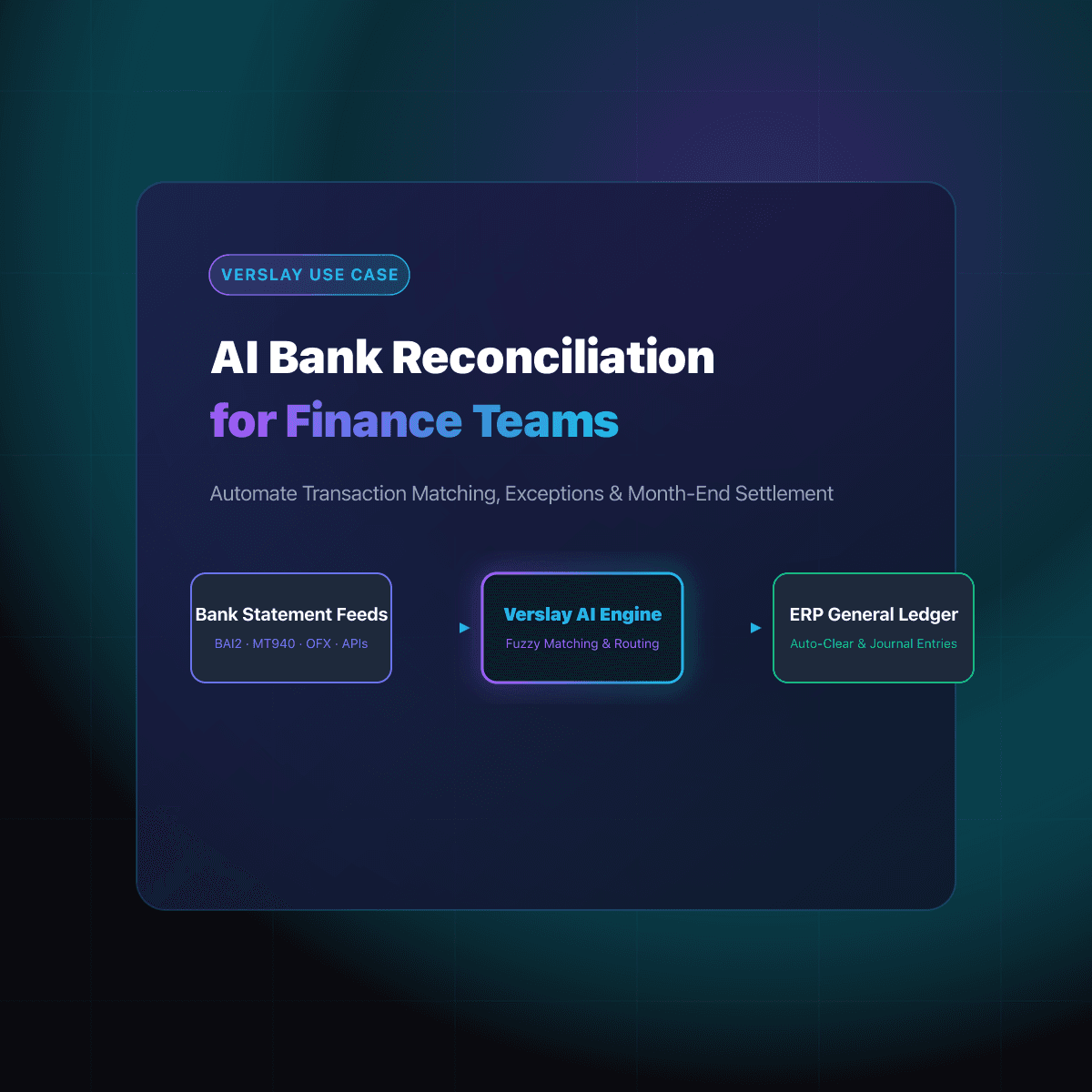
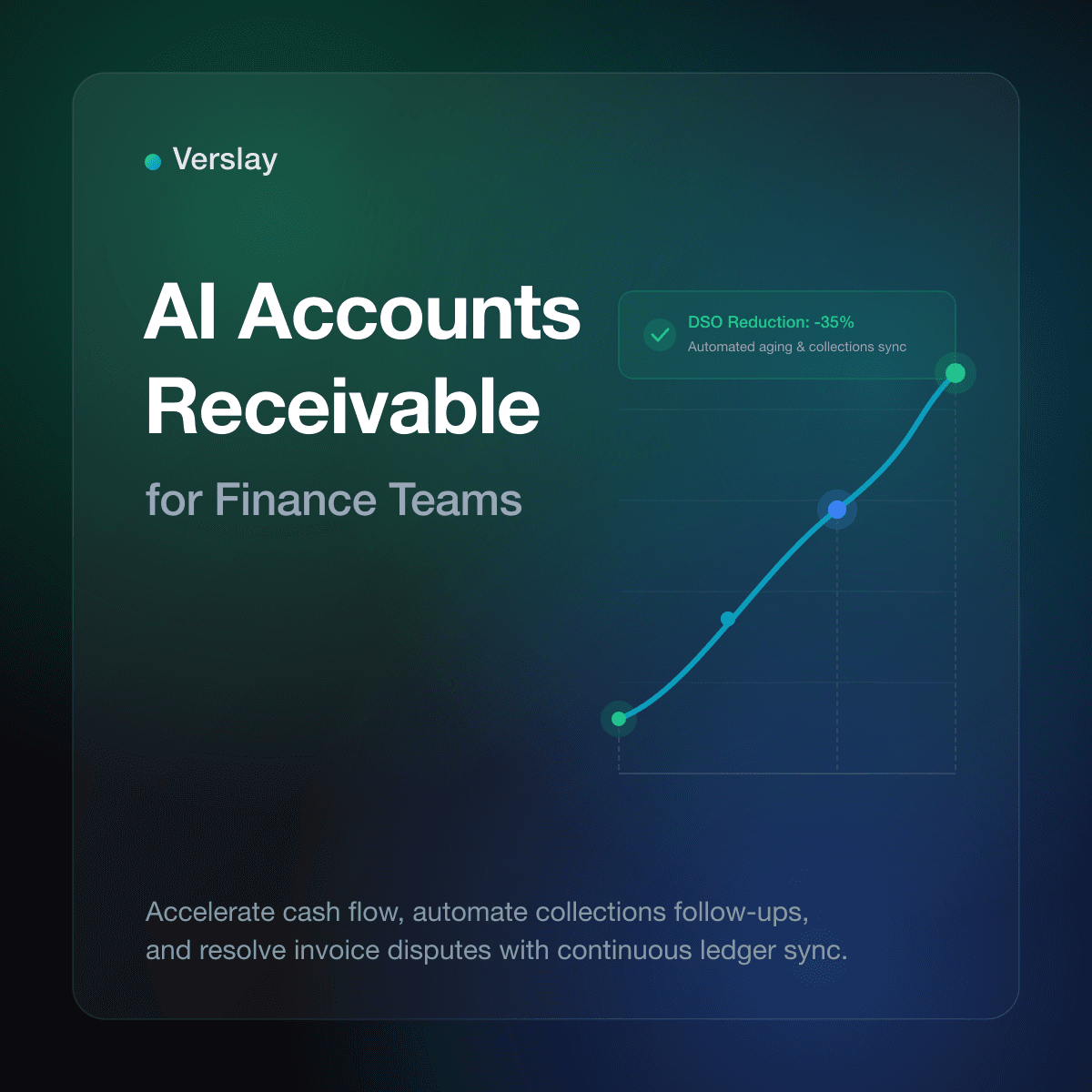
To understand how automated workflows streamline adjacent accounting functions, read our deep dives on AI bank reconciliation for finance teams and AI accounts receivable automation.
How Autonomous AI Agents Automate Revenue Recognition
Autonomous AI agents transform revenue accounting from a reactive month-end scramble into a continuous, policy-governed pipeline. Operating between commercial quoting engines and general ledgers, AI agents execute the entire ASC 606 lifecycle:
1. Intelligent Contract Parsing & Obligation Extraction
As soon as a contract is marked "Closed Won" in a CRM like Salesforce or HubSpot, an AI agent analyzes the underlying executed master services agreement (MSA) and order form:
- Semantic Clause Ingestion: Extracts contractual start/end dates, renewal terms, termination-for-convenience clauses, payment terms, and custom SLA penalty conditions.
- Performance Obligation Deconstruction: Identifies and separates distinct obligations (such as recurring SaaS subscriptions, fixed-fee onboarding, and variable usage tiers) based on organizational revenue policies.
2. Automated Standalone Selling Price (SSP) Allocation
- Catalog & Range Analysis: Compares contract line-item pricing against established SSP ranges derived from historical sales data and approved discounting matrices.
- Proportional Re-Allocation: Automatically allocates contract value across bundle components, ensuring revenue for heavily discounted items (such as "free" onboarding services) is appropriately carved out and recognized over actual performance periods.
3. Dynamic Amortization & Revenue Waterfall Scheduling
- Ratable Amortization Engine: Builds daily and monthly recognition schedules for term-based subscriptions, automatically adjusting for leap years, partial months, and custom billing frequencies.
- Milestone & Consumption Tracking: Ingests delivery milestones from project management tools (e.g., Jira, Asana) and usage metrics from billing platforms (e.g., Stripe, Chargebee) to recognize event-based revenue as obligations are satisfied.
- Automated Catch-Up Adjustments: When contract amendments occur, the agent recalculates remaining obligations and automatically posts cumulative catch-up or prospective amortization entries.
4. Continuous General Ledger Synchronization & Journal Posting
- Dual-Book Ledger Balancing: Generates balanced double-entry journal postings—debiting unbilled receivables, crediting deferred revenue, and transferring ratable increments to recognized revenue accounts.
- ERP Integration: Posts validated revenue entries directly into ERP systems like NetSuite ARM, SAP S/4HANA, Sage Intacct, and QuickBooks with full transaction tagging.
Discover how AI agents for business automation eliminate manual operational overhead across enterprise operations.
Architecture of an Automated Revenue Recognition Pipeline
The diagram below illustrates how an autonomous revenue recognition engine orchestrates data across contract signing, obligation modeling, and general ledger posting:
[CRM & CPQ Systems]              [Billing & Invoicing Feeds]
(Salesforce, HubSpot, DealHub)     (Stripe, Chargebee, Zuora)
          │                                   │
          ▼                                   ▼
 [Contract Semantic Parser]         [Billing Activity Stream]
 (Terms, Clauses, SLAs)             (Invoiced Cash & Unbilled AR)
          │                                   │
          └─────────────────┬─────────────────┘
                            │
                            ▼
              [ASC 606 Revenue Engine]
              ┌─────────────┴─────────────┐
              ▼                           ▼
    [Obligation Decomposition]    [SSP Allocation Engine]
    (Distinct Goods & Services)   (Relative Value Weighting)
                            │
                            ▼
               [Revenue Schedule Generator]
               (Ratable, Milestone, Usage)
                            │
                            ▼
                 [Contract Modification Gate]
                 /                                 [Standard Term]                  [Mid-Cycle Change]
              │                         (Prospective vs. Catch-up)
              ▼                                    │
    [Post Journal Entries] <───────────────────────┘
              │
              ▼
   [ERP General Ledger]
   (NetSuite, SAP, Sage Intacct)
   • Deferred Revenue Balance
   • Recognized Revenue by Product
   • Contract Asset / Liability Ledgers
- Multi-Source Ingestion: The system continuously captures order forms, contract PDFs, and billing events via webhook listeners and API bridges.
- Deterministic & Semantic Parsing: Natural language models interpret non-standard clauses while deterministic calculation engines enforce mathematical precision across currency exchanges and discount structures.
- Waterfall Ledger Updates: Real-time amortization updates prevent month-end revenue spikes, giving leadership instant visibility into recognized vs. deferred revenue.
- Audit Trail Generation: Every calculation step, contract reference, and journal entry is permanently logged with an immutable audit trail.
Revenue Recognition Matching Matrix: Contract Types & Treatment Logic
Different commercial structures require distinct accounting treatments under GAAP and IFRS rules. The table below outlines how an automated revenue engine handles diverse enterprise contracts:
| Contract Type | Commercial Structure | Revenue Recognition Treatment | Automated Agent Execution | | :--- | :--- | :--- | :--- | | Annual SaaS Subscription | $120,000 upfront annual payment for 12-month access | Ratable over time (ASC 606-10-25-27) | Ingests annual invoice, books $120k to Deferred Revenue, and posts $10,000 monthly journal entries across the 12-month service window. | | Multi-Element Bundle (SaaS + Services) | $100,000 subscription + $20,000 implementation fee discounted to $0 | Carve-out and SSP allocation across distinct obligations | Re-evaluates bundle against SSP; carves out proportional value for implementation and recognizes it upon milestone sign-off, amortizing the balance ratably. | | Usage-Based / Overage Pricing | $0.05 per API call or credit consumption billed monthly | As-incurred / output method (ASC 606-10-55-18) | Ingests daily consumption telemetry from data warehouse, validates against minimum commitments, and recognizes revenue in the period consumed. | | Mid-Term Contract Expansion | Customer adds 50 seats 6 months into a 12-month contract | Contract modification (prospective or cumulative catch-up) | Assesses whether additional seats represent distinct goods priced at SSP; updates remaining revenue waterfall without disrupting historical closed periods. | | Multi-Year Enterprise License | 3-year term with tiered step-up pricing ($50k / $75k / $100k) | Total transaction price ($225k) allocated evenly ($75k/yr) | Blends stepped pricing into unified ratable schedule, creating contract assets in Year 1 to reflect revenue earned in excess of billings. |
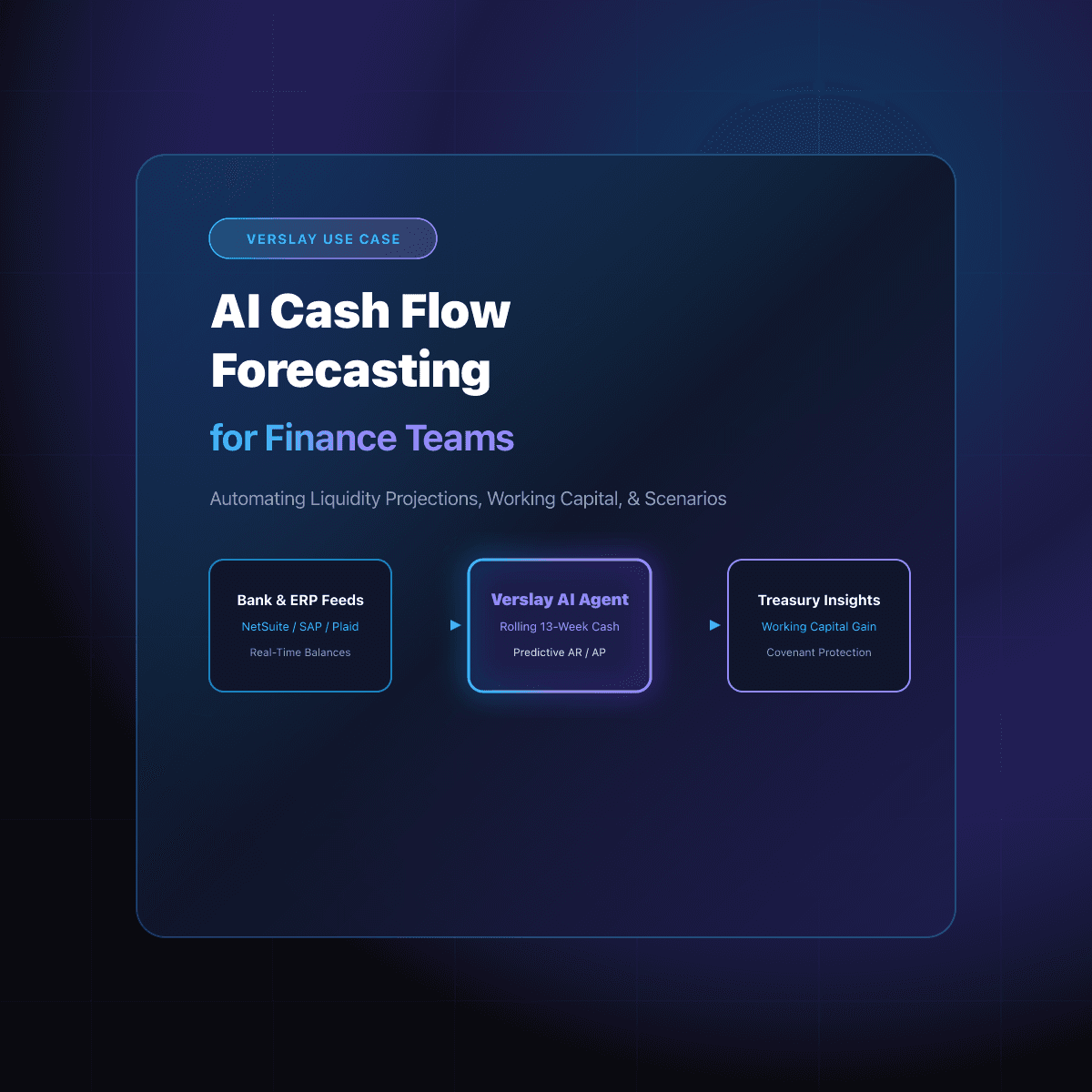
To see how forward-looking revenue visibility informs broader working capital strategies, check our guide on AI cash flow forecasting for finance teams.
Handling Complex Edge Cases Without Spreadsheet Intervention
Standard accounting packages struggle when real-world sales negotiations deviate from cookie-cutter subscriptions. Autonomous agents resolve these nuances programmatically:
- Early Termination Rights & Refunds: Contracts with customer cancellation clauses or money-back guarantees introduce variable consideration constraints. The AI agent flags cancellation windows and automatically caps revenue recognition to the non-contingent consideration amount until the right of return expires.
- Contract Asset vs. Contract Liability Transitions: When billing occurs in arrears, companies accumulate unbilled receivables (contract assets); when billing occurs upfront, deferred revenue (contract liabilities) is created. The agent automatically manages the balance sheet reclassification between asset and liability accounts per customer contract.
- Discounts Tied to Payment Terms: Early-payment discounts or rebate clauses are factored into transaction price estimations at inception, preventing revenue overstatement before cash collection occurs.
- Foreign Currency Translation in Multi-Year Agreements: When international subsidiaries bill in EUR or GBP but report in USD, the agent tracks historical and current exchange rates, booking realized and unrealized currency adjustments in accordance with ASC 830.
Strategic and Governance Benefits for the Modern Office of the CFO
Transitioning to automated revenue recognition delivers immense strategic leverage to high-growth finance organizations:
- Compressed Month-End Close: Reduces revenue accounting close cycles from days of manual spreadsheet reconciliation to a few hours of review and supervisor approval.
- Zero-Spreadsheet Audit Readiness: External audit inquiries can be satisfied in seconds by generating comprehensive waterfall schedules that trace directly from general ledger entries back to source contract clauses.
- Accurate Real-Time Forecasting: Finance leaders gain immediate visibility into future recognized revenue runs, unearned backlog, and annual recurring revenue (ARR) waterfalls without waiting for period-end book closures.
- SOX 404 & Internal Controls Compliance: Eliminates formula errors, broken links, and versioning confusion inherent in manual spreadsheets, establishing airtight separation of duties and auditable system controls.
Frequently Asked Questions
How do I automate revenue recognition for subscriptions?
Finance teams automate subscription revenue recognition by integrating billing engines, CRM contracts, and ERPs with autonomous agents that automatically extract performance obligations, calculate monthly amortization schedules, and post journal entries.
What is the difference between realized revenue and recognized revenue?
Realized revenue refers to cash or receivables actually received or billed for products or services delivered, whereas recognized revenue is revenue formally reported on the income statement once contractual performance obligations have been satisfied under ASC 606.
What is revenue recognition in accounting?
Revenue recognition is an accrual accounting principle under ASC 606 and IFRS 15 requiring companies to record revenue when performance obligations are satisfied, rather than simply when cash is exchanged or invoices are sent.